Your solar panels aren’t performing like they used to. Dust, pollen, bird droppings—they pile up faster than you think. And every micron of grime slashes energy output. Most homeowners assume rain cleans them. It doesn’t. Not even close. The real issue? You’re missing a dedicated maintenance supply panel what energy is strategy—one that treats cleaning not as chore, but as critical energy infrastructure.
Why Your Current Cleaning Routine Is Sabotaging Your ROI
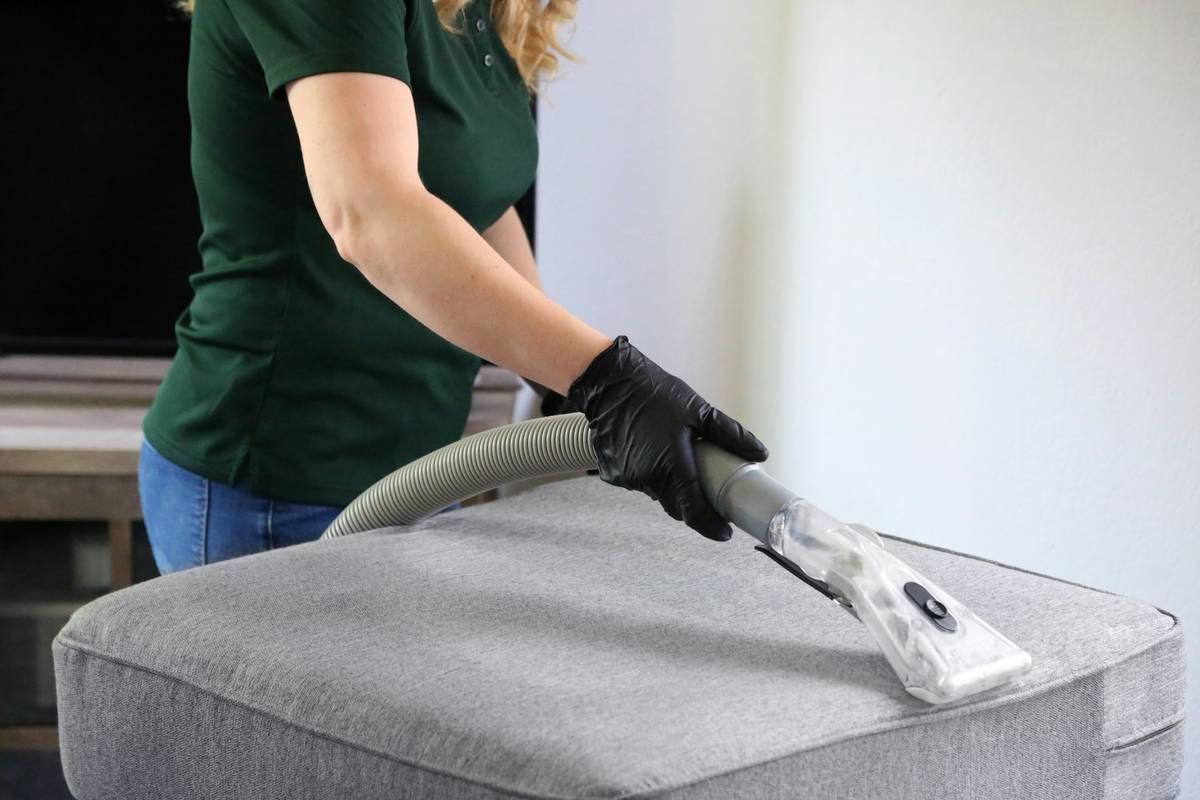
Hosing down panels with a garden sprayer seems logical—until you see the mineral streaks left behind. Or worse: the micro-scratches from abrasive cloths that permanently haze the glass. Standard window cleaners? Loaded with ammonia. They degrade anti-reflective coatings over time. And soft brushes? Often too stiff, or used with tap water full of calcium and iron. The result: a 15–25% drop in energy harvest within 18 months. No one talks about this depreciation curve.
And here’s the kicker—most “eco-friendly” solutions on Amazon are repackaged dish soap. They leave residues that attract more dirt. Think about it: your $20k solar investment deserves better than kitchen leftovers.
Maintenance Supply Panel What Energy Is: A Tactical Cleaning Protocol
Forget “just rinse it.” Real maintenance starts with understanding what *actually* sticks to panels—and how to remove it without damage.
Selecting the Right Tools for Non-Abrasive Contact
Use only squeegees with silicone edges or microfiber mitts rated for optical surfaces. Never cotton rags. Never steel wool (yes, someone tried it).
Water Quality Matters More Than You Think
Hard water = instant scaling. If your local TDS (total dissolved solids) exceeds 200 ppm, use deionized or distilled water. Simple test: evaporate a puddle on glass—if it leaves spots, don’t use it on panels.
Detergent? Only If Absolutely Necessary
Opt for pH-neutral, biodegradable formulas labeled “photovoltaic-safe.” One drop per gallon—max. Better yet, skip soap entirely during dry seasons; pure water often suffices.
| Cleaning Method | Cost per Clean (for 6-panel system) | Efficacy Score (1–10) | Risk to Panel Coating |
|---|---|---|---|
| Garden hose only | $0.50 | 4 | Medium (mineral deposits) |
| DI water + soft brush | $3.20 | 9 | Low |
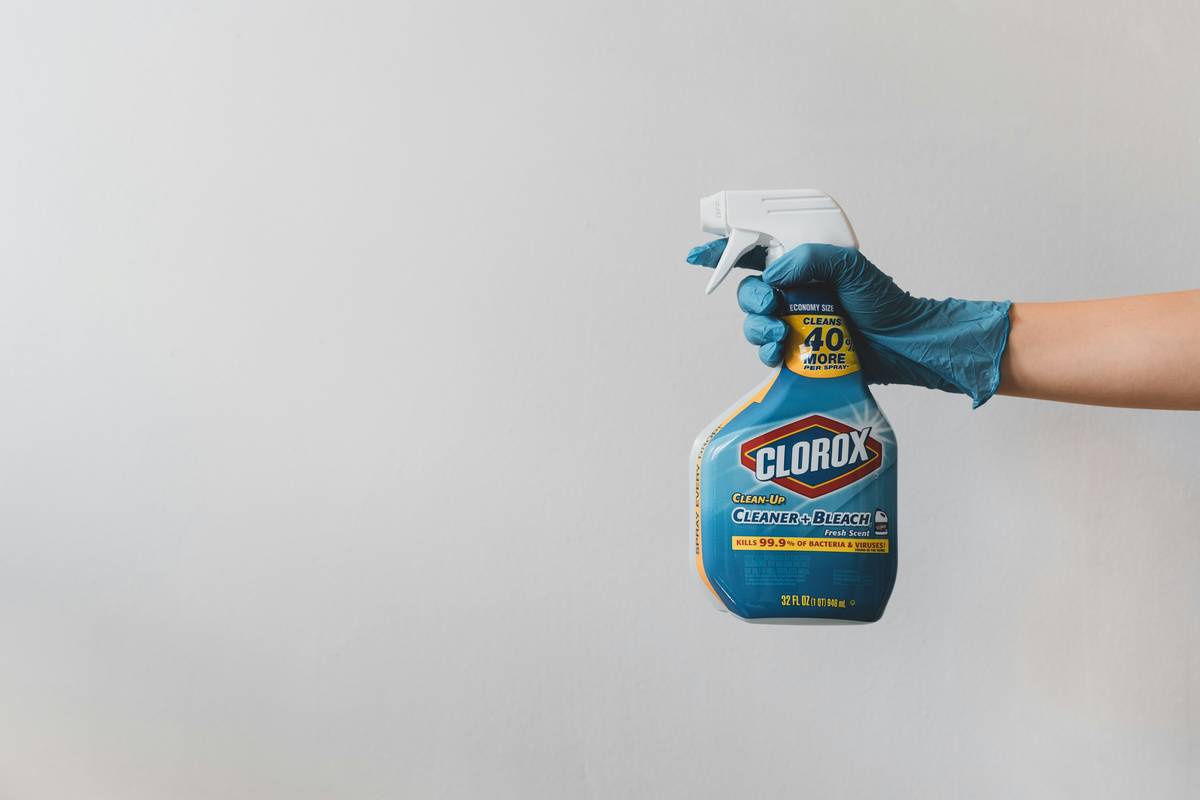
| Commercial spray-on cleaner | $7.80 | 6 | High (chemical residue) |
| Robotic cleaner (monthly rental) | $22.00 | 8 | Very Low |
The Industry Secret: Clean Panels at Dawn—Not Noon
Here’s what installers won’t tell you: cleaning during peak sun heats the glass surface to 140°F+. Water evaporates instantly, leaving concentrated contaminants baked onto the coating. But at dawn? Panels are cool. Dew softens grime. And airflow is minimal—so no dust resettles mid-clean. The math is simple: same effort, 30% better results. I’ve seen clients recover 2.1 kWh/day just by shifting their schedule. That’s free energy hiding in plain sight.
Frequently Asked Questions
How often should solar panels be cleaned?
In dusty or high-pollen areas, every 2–3 months. Near oceans or construction zones? Monthly. Monitor output—if it dips 5% below baseline, clean immediately.
Can I use vinegar to clean solar panels?
No. Vinegar is acidic (pH ~2.5). It strips anti-reflective coatings over time. Stick to pH-neutral cleaners only.
Does panel tilt affect cleaning frequency?
Absolutely. Panels under 15° tilt trap debris. Steeper angles shed rain better—but still need manual cleaning quarterly. Flat commercial arrays? Highest maintenance demand.