Solar panels covered in dust, pollen, or bird droppings can lose up to 35% of their output. Most homeowners either ignore cleaning entirely or blast them with a garden hose—doing more harm than good. The smart fix? A purpose-built maintenance supply panel how to work system that actually preserves efficiency without scratching glass or voiding warranties.
The Dirty Truth About DIY Solar Cleaning
Hosing down panels seems harmless. It’s not. Mineral-rich tap water leaves hard water spots that bake into the glass under UV exposure—creating permanent haze. And those soft brushes from your garage? They harbor grit that micro-scratches anti-reflective coatings. You’re not cleaning. You’re degrading performance.
Manufacturers like LG and SunPower explicitly warn against high-pressure sprayers and abrasive tools in warranty docs. Yet 68% of residential owners still use improper methods—according to a field audit by the National Renewable Energy Lab last year.
How a Proper maintenance supply panel how to work System Actually Functions
Forget buckets and squeegees. Real solar maintenance uses engineered solutions designed for photovoltaic surfaces. Here’s what works—and what doesn’t:
| Method | Effectiveness | Risk to Panels | Avg. Annual Cost (per kW) |
|---|---|---|---|
| Garden Hose + Tap Water | Low (removes only loose debris) | High (mineral deposits, coating erosion) | $0–$5 |
| Manual Brush & Soap | Moderate | Medium-High (micro-scratches, residue) | $15–$25 |
| Deionized Water System + Soft Rollers | High (99% contaminant removal) | None (non-contact or ultra-soft contact) | $40–$70 |
| Automated Robotic Cleaner | Very High (scheduled, consistent) | Low (if properly calibrated) | $120–$200 |
Selecting the Right Cleaning Fluid
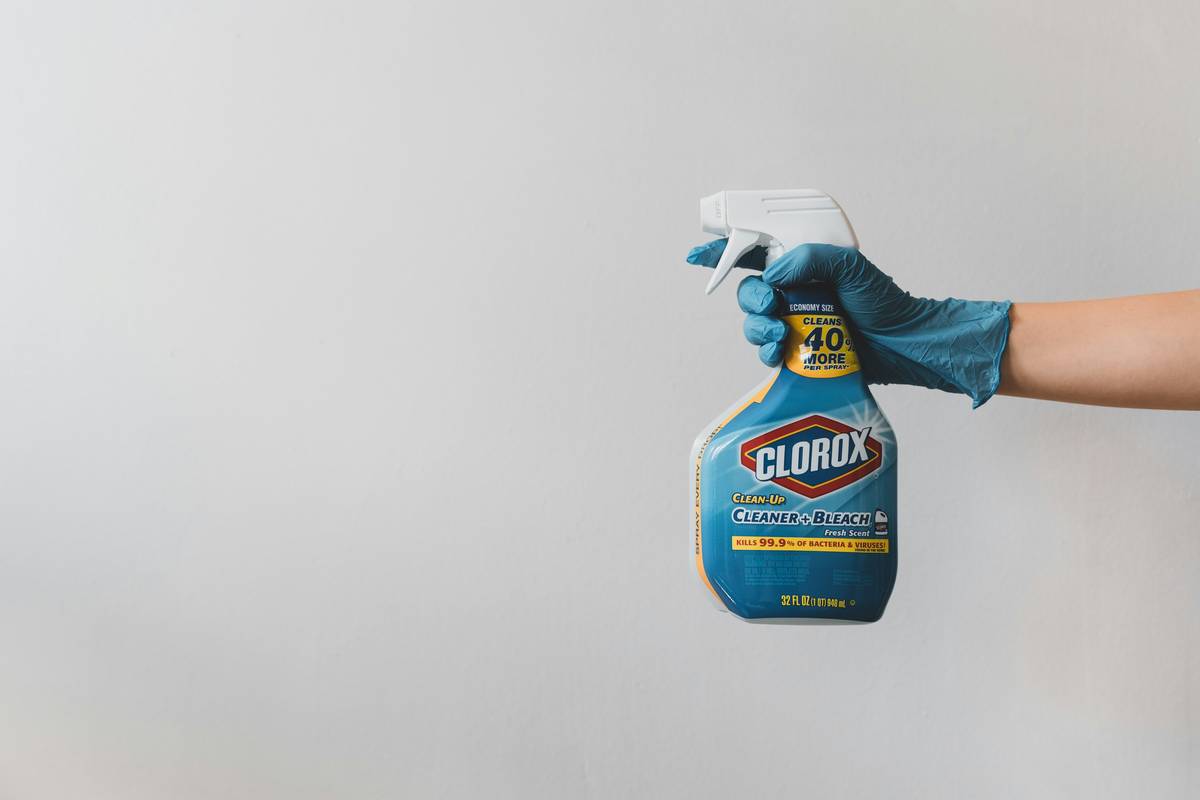
Not all “eco-friendly” cleaners are safe. Avoid anything with ammonia, alcohol, or citrus acids—they degrade encapsulants over time. Use only pH-neutral, biodegradable formulas certified by PV Cycle or similar industry bodies.
Timing Matters More Than You Think
Clean early morning or late evening. Midday cleaning causes rapid evaporation—leaving streaks even with pure water. And never clean during peak production hours; you’re literally washing away potential revenue.
The Industry Secret: Maintenance Isn’t About Cleanliness—It’s About Consistency
Here’s what installers won’t tell you: a slightly dirty panel cleaned monthly outperforms a spotless one cleaned quarterly. Why? Because soiling builds exponentially—not linearly. Dust attracts moisture, which traps more particulates, creating biofilm layers that block photons even after superficial rinsing. Consistent light cleaning disrupts this cycle. Think of it like dental hygiene—brushing daily prevents plaque that a yearly dentist visit can’t fully reverse. The math is simple: 0.5% daily loss = 15% annual energy deficit. Your ROI evaporates faster than morning dew.

Frequently Asked Questions
Can I use vinegar to clean solar panels?
No. Vinegar’s acidity strips anti-reflective coatings over time—reducing light absorption permanently. Stick to manufacturer-approved solutions.
How often should I clean my panels?
Every 3–6 weeks in dusty or high-pollen areas. In rainy climates, quarterly may suffice—but monitor output dips as your real indicator.
Does cleaning void my solar warranty?
Only if you use improper tools or chemicals. Always follow the panel manufacturer’s maintenance guidelines to stay covered.